
Hawthorn
Health
CranioSacral Therapy for Deep Restoration
104 New Edition Court,
CranioSacral Therapy
A gentle practice
of Profound Listening
CranioSacral Therapy is a gentle, hands-on approach that works with the body's own rhythms and innate wisdom. Using light touch, the practitioner listens deeply — following the subtle cues of the craniosacral system and trusting the body to lead the way.
The craniosacral system includes the membranes and fluid that surround and protect the brain and spinal cord. Subtle rhythms within this system can be felt throughout the body and serve as a guide for the work.
People come to CranioSacral Therapy for many reasons, including discomfort and stress, or simply the desire for a quiet space of deep rest and renewal.
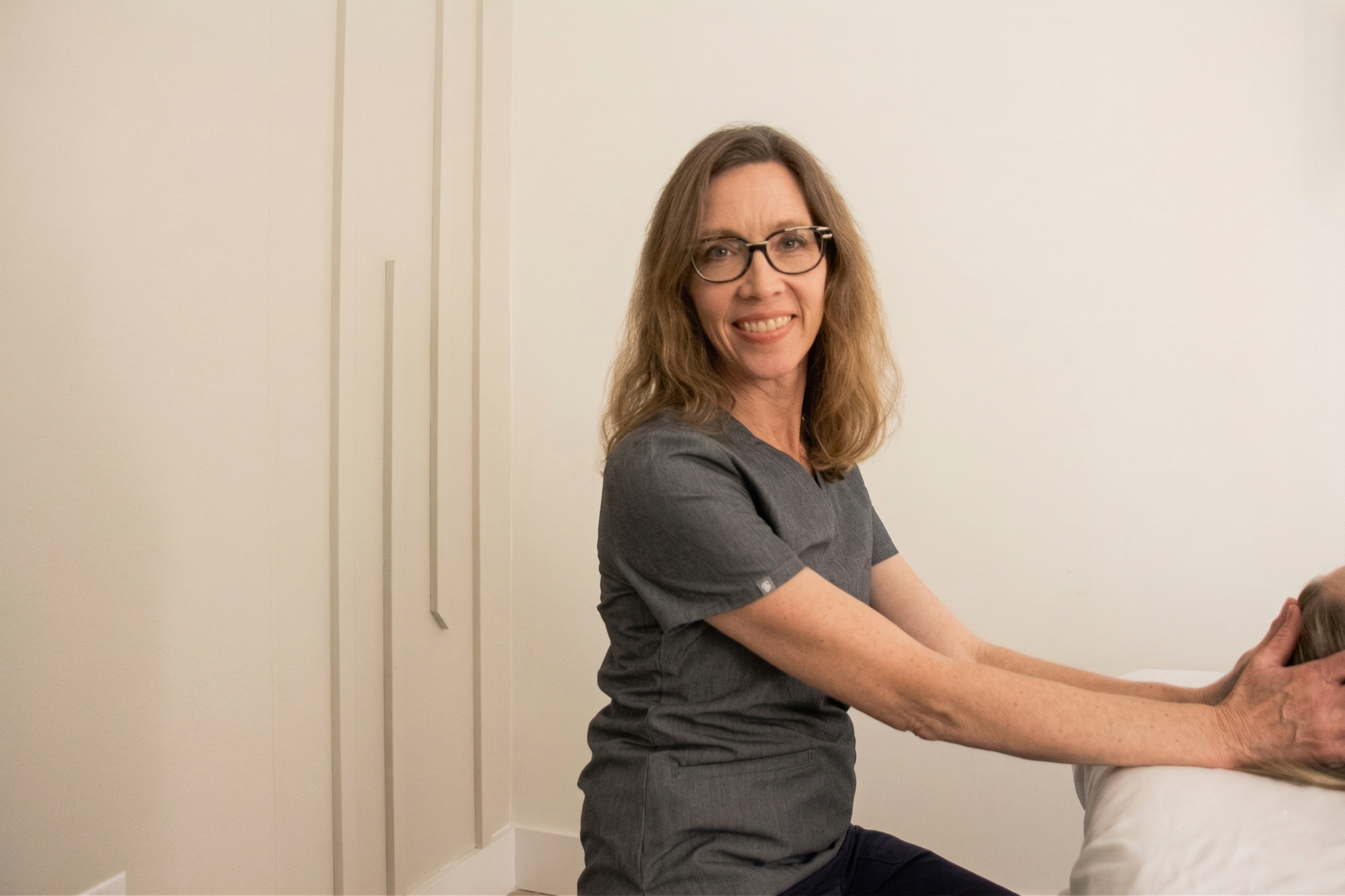
A gentle practice of profound listening — for those seeking stillness, balance, and a quiet return to themselves.
Sessions
What to Expect
Whether this is your first experience with CranioSacral Therapy or you are returning, each session is tailored to meet you exactly where you are.
01
Arrive & Settle
Sessions begin with a conversation about what you are experiencing and what you'd like to focus on. You remain fully clothed and rest comfortably on a therapy table.
02
Gentle Touch
Using a light touch, beginning at the weight of a nickel, Amy listens to the subtle rhythms of your craniosacral system, inviting areas of restriction to soften and release.
03
Deep Rest
Most people enter a relaxed state during a session. It's common to feel warmth, gentle pulsing, or a deep sense of stillness as your body lets go of held patterns.
04
Integration
After the session, there is time to reorient gently. Amy will share her observations and offer simple guidance on how to support yourself in the days that follow.
Whole-Body Wellness
How this work Supports You
01
Relief & Release
Ease deeply held tension patterns that may contribute to chronic discomfort, headaches, jaw tension, and pain, supporting the body's capacity to heal.
02
Nervous System Balance
Support the nervous system during daily stress, life's transitions, and long-standing patterns of holding, helping the body move toward calm, clarity, and rest.
03
Recovery & Resilience
Restore after illness, injury, periods of strain, or significant change, whether physical or emotional, allowing the body to rebuild, integrate and renew.
Your Practitioner
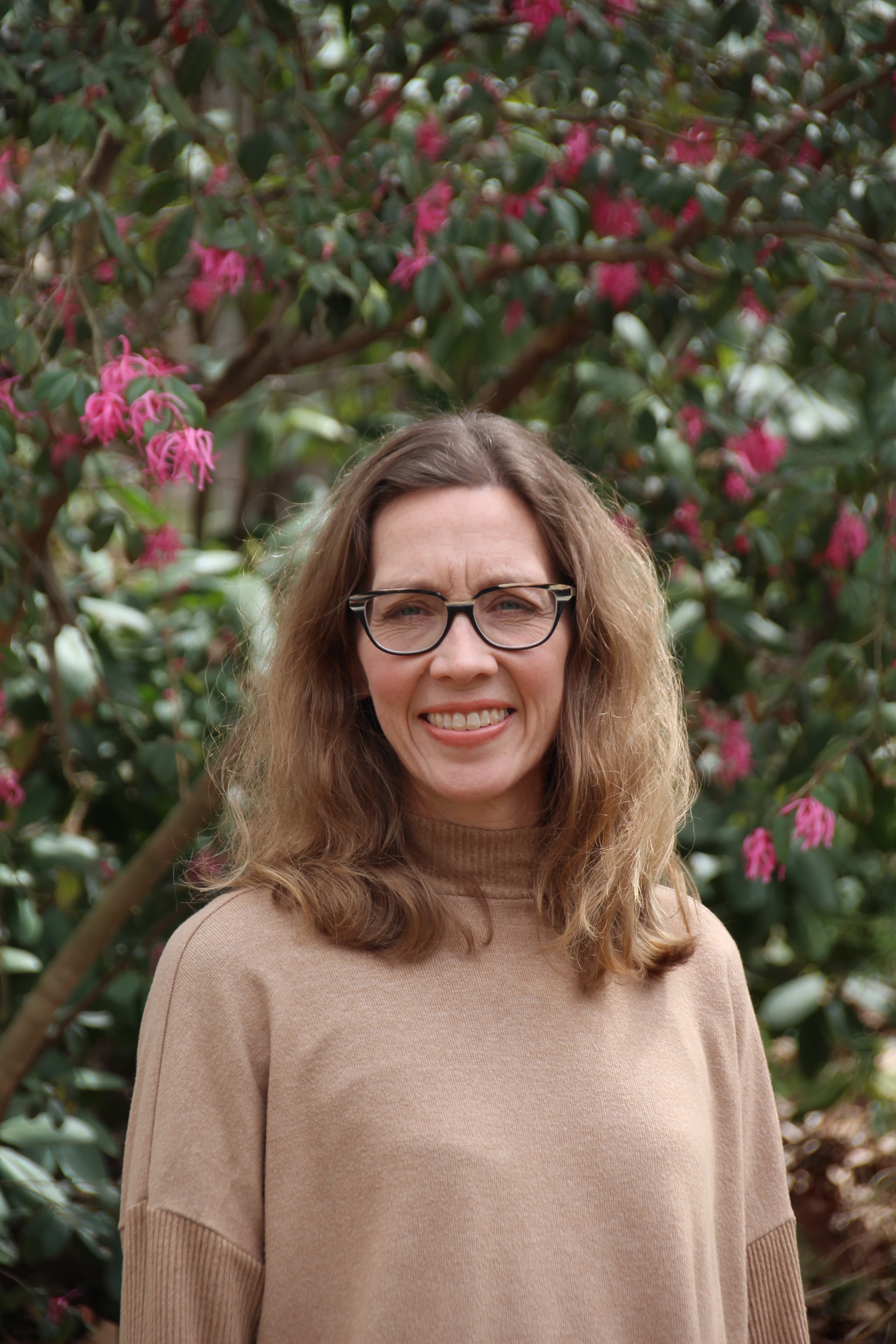
Amy Enochs
RN · Upledger Institute Profile
I am trained in CranioSacral Therapy through the Upledger Institute and offer sessions in Cary, North Carolina. My background in nursing informs my perspective on the body and its capacity to heal. My work is rooted in respect for the body's innate wisdom and its ability to move toward health with the right support.
Each session is guided by quiet, attentive presence and deep listening, following your body's lead toward greater ease and balance. I hold a calm, supportive space where clients can settle, unwind, and feel deeply cared for.
I am also trained in SomatoEmotional Release, an Upledger approach that recognizes emotional experiences held within the body, supporting their natural release as deeper patterns of tension and holding begin to surface.
“The body holds a deep knowing. My role is to listen and hold the space
for your system to move toward balance.”
— Amy Enochs
Kind Words
What clients are Saying
Just had my first session with Amy. What I noticed most afterward was that my jaw released. I have no tension there at all (and I’m a huge clencher!). The whole experience was so relaxing, and I really needed it. Thank you, Amy. I feel really good!
Sherri
What stands out about working with Amy is how quickly my body settles, even before the session begins. I feel safe with her. Her touch is very light, yet incredibly precise, and nothing feels forced. I leave feeling more at ease, with a greater capacity to stay regulated in times of stress.
Josh
I always feel more balanced after my CranioSacral sessions with Amy. She is very gentle and client focused. I would absolutely recommend her!
Anonymous
I immediately felt better after my CranioSacral treatment from Amy. I had more energy, started sleeping better, and now am more relaxed. I would recommend her to anyone!
Marcus
Common Questions
Frequently Asked Questions
The craniosacral system consists of the membranes and cerebrospinal fluid that surround and protect the brain and spinal cord. It extends from the cranium down to the sacrum and produces a subtle rhythm that can be felt throughout the body. This rhythm cycles approximately 6 to 12 times per minute. CST works with this rhythm, gently supporting the body as areas of restriction soften and release.
CranioSacral Therapy was developed by osteopathic physician John E. Upledger, D.O., following extensive clinical research at Michigan State University in the 1970s. Since then, the Upledger Institute has continued to support and develop the practice through ongoing research and clinical training worldwide.
People come to CST for a wide range of reasons, including chronic discomfort, headaches, jaw tension, neck and back pain, stress, nervous system support, sleep disturbances, and recovery from periods of physical, emotional, or significant strain. CST works alongside — not in place of — medical care.
Your first visit is 75 minutes and begins with a conversation about your health history and what you'd like to focus on. You remain fully clothed and rest comfortably on a therapy table while Amy works with the body's natural rhythms using gentle, intentional touch. Most people leave feeling deeply relaxed and restored.
Wear whatever is comfortable — you remain fully clothed throughout the session. Athletic or soft clothing works best, as thick seams or stiff fabric can be uncomfortable to lie on.
After your session you may feel more energized or more fatigued — both are natural responses as your body continues to integrate. Some clients notice a sense of lightness, emotional release, deeper sleep, or a quiet shift in how they feel in their body. All are signs that your body is doing its work.
When possible, allow yourself a gentle transition back into your day. Time in nature, plenty of water, and tuning into your body's needs can all support the integration process. There are no restrictions following a session.
Many clients begin to notice meaningful shifts within three to five sessions. Some experience a shift sooner, while others find value in ongoing support over time. After each session Amy will share her observations and together you can explore what feels right for you.
Begin your Journey
75 min
$130
New Client · First Visit
Includes 15-min consultation
60 min
$110
Standard
Focused session
90 min
$150
Extended
Deeper work
Save with a series
for established clients
24-hour cancellation notice appreciated
Contact Amy to schedule a free 15-minute discovery call